Functional Mobility Drills to Improve Your Squat Depth
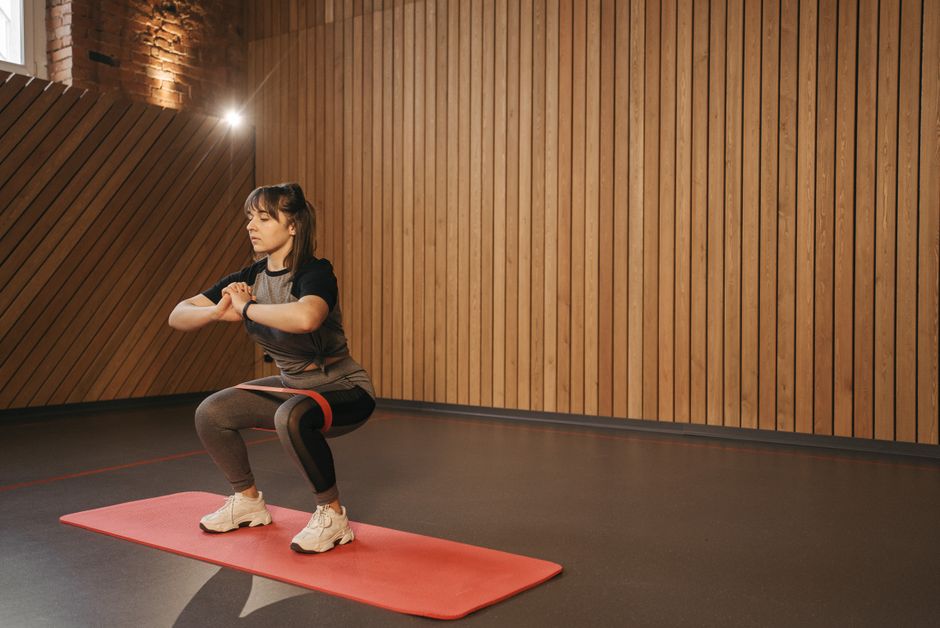
Squat depth is a common goal for many individuals who train for strength, athletic performance, or general fitness. Achieving a full range of motion in the squat requires adequate mobility in several joints, particularly the hips, ankles, and thoracic spine. Without sufficient mobility in these areas, compensation patterns may develop, which can limit depth and increase the likelihood of discomfort or strain over time. Rather than forcing the body into a deeper position through weight or momentum, a more sustainable approach involves addressing the underlying mobility restrictions through targeted drills.
Functional mobility exercises are designed to improve joint range of motion in a way that translates directly to movement patterns like the squat. These drills focus on the specific positions and ranges needed during a squat, rather than isolated stretching that may not carry over. The following seven exercises, organized by the area they target, can be incorporated into a warm-up or dedicated mobility session. When performed consistently and with attention to proper technique, they may contribute to a noticeable improvement in squat depth over time. Programs like those offered by PeakForm Fitness often include such mobility drills as part of a comprehensive approach to movement health.
Hip Mobility Drills
Hip mobility plays a central role in squat depth because the hips must be able to flex deeply and rotate externally to allow the torso to lower between the thighs. Limited hip motion often leads to an early forward lean or a rounded lower back during the squat. The following drills target the hip capsule, surrounding muscles, and connective tissue to improve flexion and rotation.
Deep Lunge with Rotation
This drill combines a deep lunge position with a thoracic rotation to simultaneously open the hip flexors and mid-back. Start in a half-kneeling position with one foot forward and the back knee on the ground. Place the hand on the same side as the forward foot on the inside of that foot, then rotate the torso upward and toward the forward leg. This movement stretches the hip flexors of the back leg while also encouraging hip external rotation on the front side. Holding the end position for a few breaths before switching sides can help the nervous system adapt to the deep hip angle. Repeating this drill for several reps per side before squatting may prepare the hips for a fuller range of motion.
Pigeon Stretch (Modified)
The pigeon stretch is a well-known hip opener that targets the external rotators and glutes. To perform a version that is accessible for most individuals, begin on all fours and bring one knee forward toward the same-side wrist while sliding the opposite leg straight back. The front shin should be angled across the body, though the exact angle can be adjusted based on individual comfort. Lower the upper body toward the ground or rest on the forearms to increase the stretch intensity. This position places the hip in external rotation and flexion, which are both required during a deep squat. Holding the position for 30 to 60 seconds per side, while breathing steadily, may help reduce tension in the hip capsule over time.
Hip Flexor Rocking
Hip flexors that are tight from prolonged sitting can restrict pelvic position during a squat, preventing the torso from remaining upright in the bottom position. Hip flexor rocking addresses this by gently moving through a range of motion while under light load. Start in a half-kneeling position with the back knee on a pad. With the torso upright, gently rock the hips forward until a stretch is felt in the front of the back hip. Then rock back slightly and repeat. This controlled oscillation helps desensitize the hip flexors and improves their ability to lengthen during the squat descent. Performing 10 to 15 slow rocks per side can gradually build tolerance to the end range of hip extension.
Ankle Mobility Drills
Ankle dorsiflexion is essential for keeping the feet flat on the ground as the knees travel forward over the toes during a squat. When ankle mobility is limited, the body may compensate by lifting the heels or shifting weight onto the toes, which compromises stability. The following drills focus on improving the range of motion at the ankle joint in a weight-bearing context.
Ankle Dorsiflexion with Band
Using a resistance band can add a dynamic stretching component to ankle mobilization. Anchor a band at a low point, such as around a squat rack post, and loop the other end around the front of the ankle just above the foot. Step back to create tension, then shift the knee forward over the toes while keeping the heel planted. The band pulls the talus bone forward, mimicking the motion that occurs during a squat. Repeat this movement for 10 to 15 reps per ankle, focusing on achieving a consistent knee travel without lifting the heel. This exercise can be particularly useful for individuals who feel their squat depth is limited by tightness in the front of the ankle.
Calf Stretch with Bent Knee
Standard calf stretches often emphasize the gastrocnemius muscle, but the soleus, which attaches below the knee, also influences ankle dorsiflexion. To target the soleus, perform a calf stretch with the knee bent. Stand facing a wall with one foot forward and the other foot behind. Bend both knees, keeping the back heel on the ground, and lean forward until a stretch is felt in the lower calf of the back leg. Holding this position for 30 seconds per side, repeated two to three times, can help reduce tension in the soleus. Over time, this may contribute to a greater ability to keep the heels down during the squat.
Thoracic Spine Mobility Drills
The thoracic spine must be able to extend during a squat to help maintain an upright torso. When the upper back is stiff, the body often compensates by rounding the lower back or leaning forward excessively. Improving thoracic extension can positively influence the bar path and overall squat mechanics. The following drills are designed to improve mobility in the mid-back without relying on the lower back.
Thoracic Extension Over Foam Roller
Lying over a foam roller placed perpendicular to the spine provides a controlled way to open the thoracic spine. Position the roller at the level of the shoulder blades, support the head with the hands, and gently extend the upper back over the roller. The hips should remain on the ground to isolate the extension to the thoracic region. Breathe deeply and relax into the position for 30 to 60 seconds, then shift the roller slightly up or down to target different segments of the spine. Performing this drill regularly may help restore the natural curve of the upper back, which is often lost due to poor posture or prolonged sitting.
Open Book Rotation
This rotational drill improves the ability of the thoracic spine to twist, which is relevant for the asymmetrical demands of a squat when viewed from the side. Lie on one side with the knees and hips bent at 90 degrees, and extend both arms straight out in front of you. Slowly rotate the top arm upward and backward, following the hand with the eyes and trying to bring the back of the hand to the floor on the opposite side. The hips and knees should remain stacked throughout the motion. Repeat 5 to 8 times per side, moving slowly and breathing deeply. This exercise helps maintain rotational mobility in the upper back while keeping the lower back stable, a pattern that supports a consistent squat setup.
Integrating Mobility into Training
Consistency is more important than intensity when working on mobility for squat depth. Performing these drills two to three times per week, ideally before squatting or as part of a separate mobility session, allows the joints and tissues time to adapt. It is worth noting that individual responses to mobility work can vary, and factors such as anatomy, previous injuries, and training history all play a role in how quickly changes may appear. Combining these drills with a gradual increase in squat depth during practice, rather than forcing the range immediately, can lead to more sustainable improvements.
Including a brief warm-up that incorporates two to three of the exercises listed above, selected based on the areas of greatest restriction, may help the body transition into squatting with greater ease. Over several weeks, tracking progress through video or notes can provide useful feedback on whether mobility is improving. If specific restrictions persist, consulting a movement professional or physical therapist may offer additional insight. The goal is not to achieve a perfect squat overnight, but to develop a more comfortable and efficient movement pattern through consistent, mindful practice.