Five Essential Strength Exercises for Building a Solid Foundation
When beginning a strength training program, selecting exercises that involve multiple joints and muscle groups is a common approach. These compound movements are often considered foundational because they allow the body to develop coordinated strength and stability. Among the most frequently cited exercises are the squat, deadlift, bench press, overhead press, and barbell row. Each of these lifts targets a distinct movement pattern and engages a wide range of musculature, making them a staple in many training regimens.
This guide provides an overview of these five exercises, focusing on their mechanics, typical variations, and the roles they play in a balanced program. Understanding how each movement operates can help individuals execute them with greater awareness and consistency. It is important to note that individual factors such as mobility, injury history, and experience levels influence how these exercises are best performed. Consulting with a qualified professional and progressing gradually are prudent approaches. The information presented here is for educational purposes and does not replace personalized instruction.
The Squat
The squat is a movement that involves bending the hips and knees to lower the body, then extending them to return to a standing position. When performed with a barbell on the upper back, it is often referred to as the back squat. This exercise primarily targets the quadriceps, glutes, and hamstrings, while also engaging the core and lower back for stabilization. The depth of the squat can vary, but a common reference point is descending until the hip crease is at or below the level of the knee.
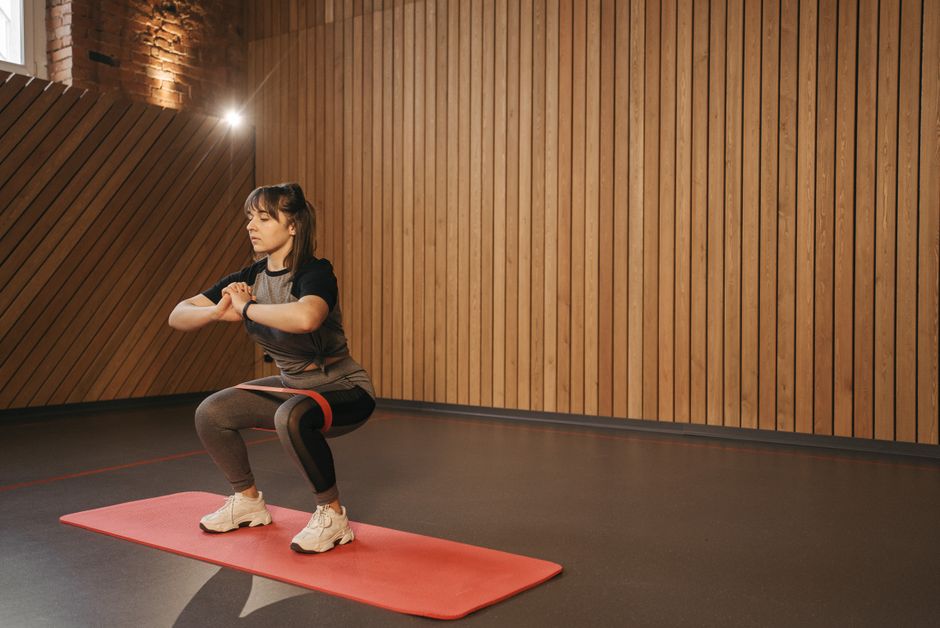
Proper execution relies on maintaining a stable torso and controlling the descent. The feet are typically placed shoulder-width apart, with the toes pointed slightly outward. As the individual lowers, the knees track in line with the toes, and the hips move backward and downward. Breathing and bracing the core before each repetition are often emphasized to protect the spine. Many beginners start with a goblet squat or a box squat to develop movement patterns before adding load. The squat can be incorporated into a program in various rep and set schemes depending on goals such as strength, hypertrophy, or endurance.
The Deadlift
The deadlift involves lifting a loaded barbell from the floor to hip level by extending the hips and knees. It is a hinge-dominant movement that strongly activates the glutes, hamstrings, and spinal erectors. The grip and forearm muscles also work isometrically to hold the bar. The conventional deadlift uses a narrower stance with hands placed outside the legs, while the sumo deadlift uses a wider stance with hands inside the legs; both variations share the same basic mechanics.
Key technical points include keeping the bar close to the body throughout the lift, maintaining a neutral spine, and initiating the movement by driving through the heels. The setup involves positioning the bar over the midfoot, gripping the bar, and setting the back before pulling. The lift is performed in a single, smooth motion. For individuals new to the movement, practicing with lighter loads or using a trap bar can help develop familiarity. The deadlift is often programmed once or twice per week, with careful attention to recovery due to its high demand on the nervous system and musculature.
The Bench Press
The bench press is an upper body pushing exercise performed while lying on a flat bench. The barbell is lowered to the chest and then pressed back up to full arm extension. The primary muscles involved are the pectoralis major, anterior deltoid, and triceps brachii. The bench press is frequently used to develop pushing strength and chest mass, and it appears in many strength training programs.
Proper form includes setting the feet firmly on the floor, retracting the shoulder blades, and maintaining a stable arch in the lower back without lifting the hips. The bar path is not perfectly vertical; it typically moves downward toward the lower chest and then slightly back toward the shoulders during the press. Controlling the descent and avoiding bouncing the bar off the chest are common safety considerations. Beginners may benefit from using a spotter or safety bars, especially when attempting heavier loads. The bench press can be supplemented with variations such as incline or dumbbell presses to address different angles or individual needs.
The Overhead Press
The overhead press, also called the shoulder press or military press, involves lifting a barbell from shoulder level to a position directly overhead. This vertical pushing movement targets the deltoids, triceps, and upper chest, while also requiring core activation to support the spine. It is often performed standing, though a seated version can be used to reduce lower back involvement.
A common technique involves gripping the bar slightly wider than shoulder width, with the bar resting on the front of the shoulders. The individual presses the bar upward while keeping the wrists straight and the head slightly tilted back to allow passage. At the top of the movement, the bar should be directly above the shoulders, and the arms are fully extended. Lowering the bar with control is as important as the press itself. The overhead press can be challenging for those with limited shoulder mobility, and warm-up exercises targeting the rotator cuff may be helpful. This exercise is often programmed before auxiliary shoulder work in a session.
The Barbell Row
The barbell row is a horizontal pulling exercise in which the individual bends forward at the hips with a flat back and pulls the barbell toward the lower chest or upper abdomen. It targets the muscles of the back, including the latissimus dorsi, rhomboids, trapezius, and posterior deltoids, as well as the biceps as synergists. The barbell row is valued for building back thickness and postural strength.
Two common styles are the bent-over row and the pendlay row. In the bent-over row, the torso is typically at a 45-degree angle to the floor, and the bar is pulled in a controlled manner. The pendlay row, often used in Olympic weightlifting programs, involves returning the bar to the floor between each repetition and using a more explosive pull from a stop. In both styles, keeping the spine neutral and avoiding excessive torso rotation are important considerations. The grip can be overhand or underhand, with the underhand grip often emphasizing the lower lats and biceps more. Beginners may start with lighter weights to practice the hinged position and rowing motion before increasing load.
Building a Balanced Program Around These Lifts
When incorporating these five exercises into a training routine, the arrangement of volume and frequency depends on individual goals and recovery capacity. Many programs structure sessions around one or two of these lifts per day, using complementary exercises to address weaker areas or improve balance. For example, a common split includes a squat or deadlift day followed by an upper body day, with the other lifts rotated across the week.
Progression is typically managed through gradual increases in weight, sets, or repetitions. Periodic deload weeks, where intensity or volume is reduced, can help manage fatigue. Monitoring form and addressing any discomfort early are sensible practices. The exercises described here are not the only path to strength, but they offer a coherent starting point for those interested in building a solid foundation. As with any physical activity, individual responses vary, and adjustments should be made based on personal feedback and professional guidance.